
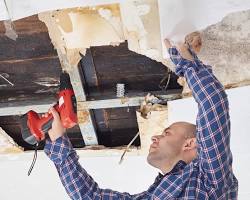
One of the most searched and misunderstood topics in Chicago’s Housing Choice Voucher program is maintenance responsibility.
Landlords often ask:
Who pays for repairs?
What is CHA landlord responsibility?
What counts as tenant damage?
What are Section 8 maintenance rules?
Understanding this correctly is critical for avoiding disputes, violations, and unnecessary expenses.
At Chicago Style Management, we help landlords clearly define responsibilities so properties stay compliant and protected.
CHA Landlord Responsibilities
Under Housing Quality Standards (HQS), landlords are responsible for maintaining the property in a safe and habitable condition.
This includes:
1. Habitability Standards
The unit must remain safe and livable at all times.
2. Plumbing and Electrical Systems
Landlords are responsible for ensuring:
Running water
Functional plumbing
Safe electrical systems
Proper wiring and outlets
3. Heat and Hot Water
Working heating systems and hot water must be maintained year-round.
Failure to provide heat or hot water is a serious violation under CHA rules.
4. Structural Repairs
Landlords must maintain:
Roof integrity
Walls and ceilings
Floors and stairs
Exterior safety elements like porches and railings
5. Code and Safety Compliance
Anything that impacts safety or habitability is the landlord’s responsibility, including:
Smoke and CO detectors
Broken windows or locks
Electrical hazards
Plumbing leaks
Tenant Responsibilities
Tenants are responsible for maintaining the unit in a clean and usable condition.
This includes:
1. Cleanliness
General upkeep such as:
Trash removal
Sanitary living conditions
Preventing pest attraction due to neglect
2. Damage Caused by Occupants
If damage is caused by misuse or negligence, the tenant is typically responsible.
Examples include:
Holes in walls
Broken fixtures due to misuse
Neglect-related damage
3. Utilities in Tenant Name
In most cases, tenants are responsible for utilities that are in their name, such as:
Electricity
Gas
Water (depending on lease structure)
4. Day-to-Day Maintenance
Basic upkeep like:
Changing light bulbs
Keeping drains clear
General cleanliness inside the unit
Why This Matters for CHA Landlords
In the Chicago Housing Authority program, maintenance responsibilities are closely tied to compliance inspections.
Misunderstanding who is responsible can lead to:
Unnecessary repair costs
Inspection failures
Delayed approvals
Tenant disputes
Clear expectations prevent most issues before they start.
Common Misunderstanding: “Tenant Caused It, So I Don’t Fix It”
This is where many landlords run into problems.
Even if tenant behavior contributed to damage, CHA inspectors still evaluate the unit based on habitability standards.
That means:
The issue still must be corrected for compliance
Responsibility disputes can be handled separately
But the unit must still pass inspection standards
Why South Side Chicago Properties See This More Often
In neighborhoods like:
Chatham
Auburn Gresham
South Shore
Roseland
older housing stock and higher turnover can make maintenance clarity even more important.
Without clear responsibility rules, disputes and delays become more common.
How Chicago Style Management Helps
At Chicago Style Management, we help landlords:
Define maintenance responsibilities clearly
Handle repair coordination
Stay compliant with CHA standards
Reduce inspection failures
Prevent costly misunderstandings between tenants and owners
Clear systems protect both the property and the cash flow.
Final Thoughts
Understanding CHA landlord responsibilities vs tenant responsibilities is one of the most important parts of managing voucher housing in Chicago.
The simple rule:
Landlords maintain the structure.
Tenants maintain the living condition.
When both sides understand their roles, properties stay compliant, inspections go smoother, and disputes decrease significantly.
If you need help managing Section 8 properties on the South Side of Chicago, Chicago Style Management can help you set up a system that keeps everything clear and compliant from day one.