
One of the most common questions Chicago landlords ask is: “How long does CHA approval take?”
The honest answer is: It depends on how prepared you are.
Some Chicago Housing Authority leasing approvals move quickly and close within a few weeks. Others drag out for months because of inspection failures, paperwork mistakes, or communication delays.
If you’re trying to rent your property through the Housing Choice Voucher program, understanding the CHA RFTA timeline can help you avoid costly vacancies and frustration.
At Chicago Style Management, we help landlords navigate the Chicago Section 8 leasing process every day.
Here’s what the timeline actually looks like.
Step 1: Request for Tenancy Approval (RFTA)
The process begins when the landlord and voucher holder submit the Request for Tenancy Approval, commonly called the RFTA.
This package typically includes:
Lease information
Proposed rent amount
Owner documentation
Unit details
This officially starts the approval process with the Chicago Housing Authority.
Common Delay:
Incomplete paperwork is one of the biggest causes of early delays.
Missing signatures, incorrect ownership information, or inconsistent lease terms can slow everything down immediately.
Step 2: Rent Reasonableness Review
Once the RFTA is submitted, CHA evaluates whether the proposed rent is considered reasonable for the market.
This means they compare your unit to:
Similar rentals nearby
Comparable unit sizes
Property condition
Neighborhood market rents
Landlords in South Side Chicago neighborhoods often underestimate how important pricing
strategy is during this stage.
Common Delay:
If the rent is too high compared to nearby comparable units, CHA may request adjustments before moving forward.
Step 3: Inspection Scheduling
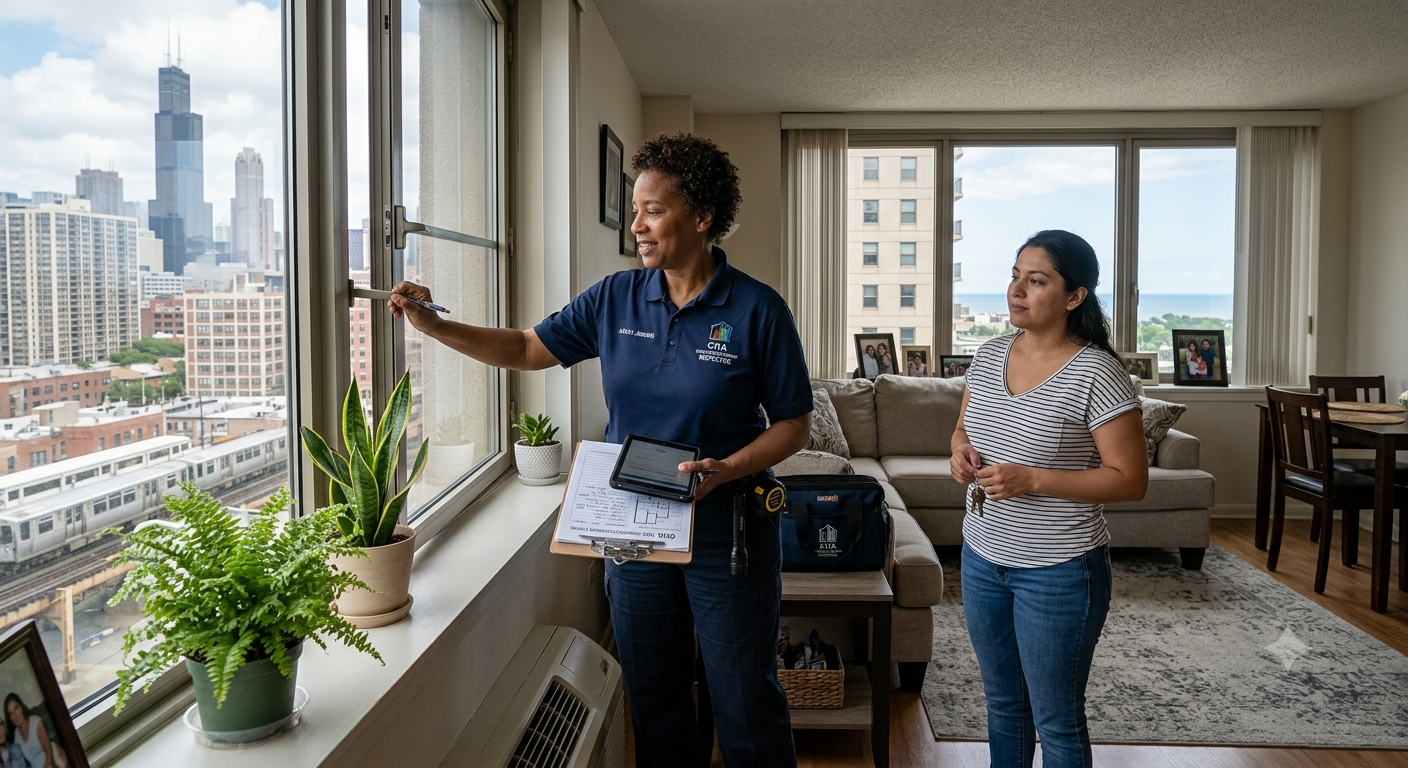
After preliminary approval, the unit inspection gets scheduled.
This is where the process often slows down.
The property must pass HUD Housing Quality Standards (HQS), which focus heavily on:
Safety
Habitability
Functional systems
Landlords searching:
“How long does CHA approval take”
“Section 8 inspection Chicago”
“CHA inspection checklist”
are usually stuck at this stage.
The Most Common Inspection Delays
Many landlords assume major repairs cause failed inspections.
Usually, the problems are much smaller.
Common HQS inspection fail items include:
Missing GFCI outlets
Peeling paint
Loose handrails
Missing smoke or CO detectors
Broken window locks
If the property fails inspection, repairs must be completed before reinspection can occur.
That can add weeks to the process.
Step 4: Repairs and Reinspection
If violations are found, landlords receive a correction list and must schedule repairs.
The timeline now depends on:
Contractor availability
Repair complexity
Reinspection scheduling availability
Tenant coordination
This is why some CHA approvals move quickly while others become 30–60+ day situations.
Step 5: HAP Contract Finalization
Once the unit passes inspection, the Housing Assistance Payment (HAP) contract is finalized.
This agreement establishes:
CHA payment responsibilities
Landlord responsibilities
Approved rent amounts
After execution, the tenant can officially move in and rental payments can begin.
Realistic CHA Approval Timelines
Smooth CHA Deal:
4-6 Weeks
This usually happens when:
Paperwork is accurate
The property is inspection-ready
Communication is proactive
Repairs are minimal
Delayed CHA Deal:
90+ Days
This typically happens because of:
Failed inspections
Repair delays
Incorrect paperwork
Poor communication
Unrealistic rent expectations
Why Experienced Property Managers Reduce Delays
The CHA leasing process can feel overwhelming for landlords managing it alone.
At Chicago Style Management, we help owners reduce delays by:
Pre-screening properties before inspection
Identifying likely HQS violations early
Coordinating repairs
Managing paperwork
Communicating with all parties throughout the process
For many landlords, especially investors managing multiple units on the South Side of Chicago, speed matters.
Every extra week vacant affects your bottom line.
Final Thoughts
The Chicago Section 8 leasing process does not have to take months.
Most delays are preventable with:
Proper preparation
Accurate paperwork
Inspection readiness
Strong communication
Landlords who understand the CHA RFTA timeline and prepare early are far more likely to get tenants moved in quickly and start collecting rent faster.
If you need help navigating CHA approvals, inspections, or full-service property management in Chicago, Chicago Style Management can help streamline the process from start to finish.